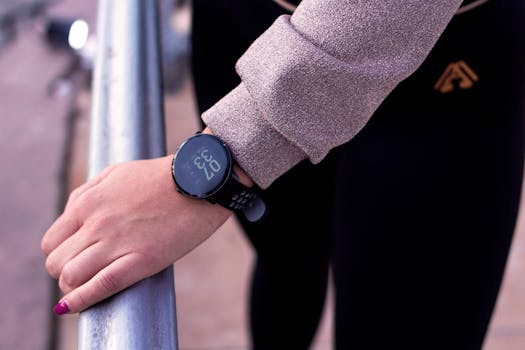

Let’s be honest. The market is flooded with shiny new gadgets promising to revolutionize your fitness journey. You see them everywhere – wrists adorned with sleek bands, phones buzzing with notifications. But here’s a truth bomb: simply owning a smart gadget for fitness tracking doesn’t automatically make you fitter. The real magic lies in understanding how to use them effectively and, more importantly, selecting one that aligns with your specific needs and aspirations. It’s easy to get caught up in the latest features, but often, the most powerful tool is the one you’ll actually use consistently.
What’s Your “Why”? Defining Your Fitness Goals First
Before you even glance at a product page, ask yourself the fundamental question: Why do you want to track your fitness? Are you aiming to shed pounds, build muscle, improve your cardiovascular health, sleep better, or simply understand your daily activity levels? Your motivation dictates the features you’ll need. A casual walker will have different requirements than a marathon runner or someone focused on recovery. Don’t fall into the trap of thinking more features equal better results; it often just means more complexity and a higher price tag.
Beyond Basic Steps: Unpacking Key Tracking Metrics
Most smart gadgets for fitness tracking will count your steps. That’s table stakes. But what else should you be looking for?
Heart Rate Monitoring: This is crucial for understanding your workout intensity and recovery. Look for continuous monitoring, not just during workouts. It also provides insights into your resting heart rate, a key indicator of cardiovascular fitness.
Sleep Tracking: Quality sleep is as vital as exercise. Advanced sleep tracking can break down your sleep cycles (light, deep, REM) and offer personalized tips for improvement. I’ve often found that understanding my sleep patterns has had a more significant impact on my energy levels than any workout alone.
GPS: If you’re a runner, cyclist, or hiker, built-in GPS is non-negotiable for accurate distance and pace tracking.
Activity Recognition: Many devices can automatically detect and log various activities like running, swimming, or cycling. This takes the guesswork out of manual logging.
Stress and Recovery Scores: Newer gadgets are increasingly offering insights into your body’s stress levels and readiness to train, helping you avoid overtraining.
Wearable Tech: Beyond the Wristband
While smartwatches and fitness trackers are the most common, consider other options if they better suit your activity.
#### Smart Rings: Discreet Powerhouses
Smart rings are emerging as a discreet and powerful alternative. They offer many of the same metrics as wrist-worn devices – heart rate, sleep, activity – but in a much smaller form factor. This can be ideal for those who dislike wearing watches or need something less intrusive for sleep tracking. Their primary advantage is unobtrusiveness.
#### Smart Clothing: Integrated Intelligence
Imagine workout gear that monitors your form or muscle engagement. Smart clothing is still a niche market, but it’s rapidly evolving. For athletes serious about refining technique or preventing injuries, this technology could be a game-changer. It integrates sensors directly into fabric, offering a unique way to gather data without any additional devices.
#### Specialized Devices: For the Dedicated Athlete
For niche sports, dedicated devices exist. Think advanced swim trackers with stroke analysis, or sophisticated rowing machines that sync with your wearable. If you have a very specific passion, do your research for purpose-built tools.
Data Overload vs. Actionable Insights: What to Do With Your Numbers
This is where many people stumble. You’ve got all this data, but what does it actually mean for you?
Focus on Trends, Not Daily Fluctuations: Don’t obsess over a slightly lower step count one day. Look at the overall trends over weeks and months. Are you generally more active? Is your resting heart rate improving?
Connect the Dots: See how different metrics influence each other. Did a late-night snack affect your sleep score? Did a particularly tough workout lead to a higher stress score the next day?
Set Achievable Goals: Use your data to set realistic targets. If you consistently walk 5,000 steps, aim for 6,000, not 20,000 overnight.
* Listen to Your Body: Technology is a guide, not a dictator. If your gadget says you’re recovered but you feel exhausted, trust your body. Conversely, if you feel great and your device indicates low recovery, perhaps ease back slightly.
The Importance of Battery Life and Durability
Let’s talk practicalities. A gadget that dies after a day or two will become a paperweight. Consider your lifestyle. If you’re often away from chargers, prioritize long battery life. For those who sweat heavily or swim, water resistance and durability are paramount. Don’t get seduced by a dazzling display if the battery won’t last your longest day. It’s a simple but often overlooked factor that can make or break your experience with smart gadgets for fitness tracking.
Your Smart Gadget is a Tool, Not a Miracle
Ultimately, the best smart gadgets for fitness tracking are those that empower you to make informed decisions about your health and well-being. They should simplify your life, not complicate it. Think of them as a coach on your wrist or in your pocket, providing data-driven feedback to help you train smarter, recover better, and live a healthier life. Don’t chase the latest shiny object; choose wisely, use consistently, and focus on the actionable insights that truly move the needle on your personal fitness goals.


